Solid Waste Management
Enviro Solutions: Revolutionizing Solid Waste Management for Farmers
Enviro Solutions is a forward-thinking company dedicated to assisting farmers in transforming agricultural waste into valuable resources. By offering advanced solid waste management services, are aims to reduce waste, increase agricultural yields, and promote sustainable environmental practices. The company provides an end-to-end solution encompassing waste pickup, collection, segregation, and processing, ensuring convenience and eco-friendliness while allowing farmers to focus on their core activities.
Pickup
Collection
Segregation
Processing
Solid Waste Management
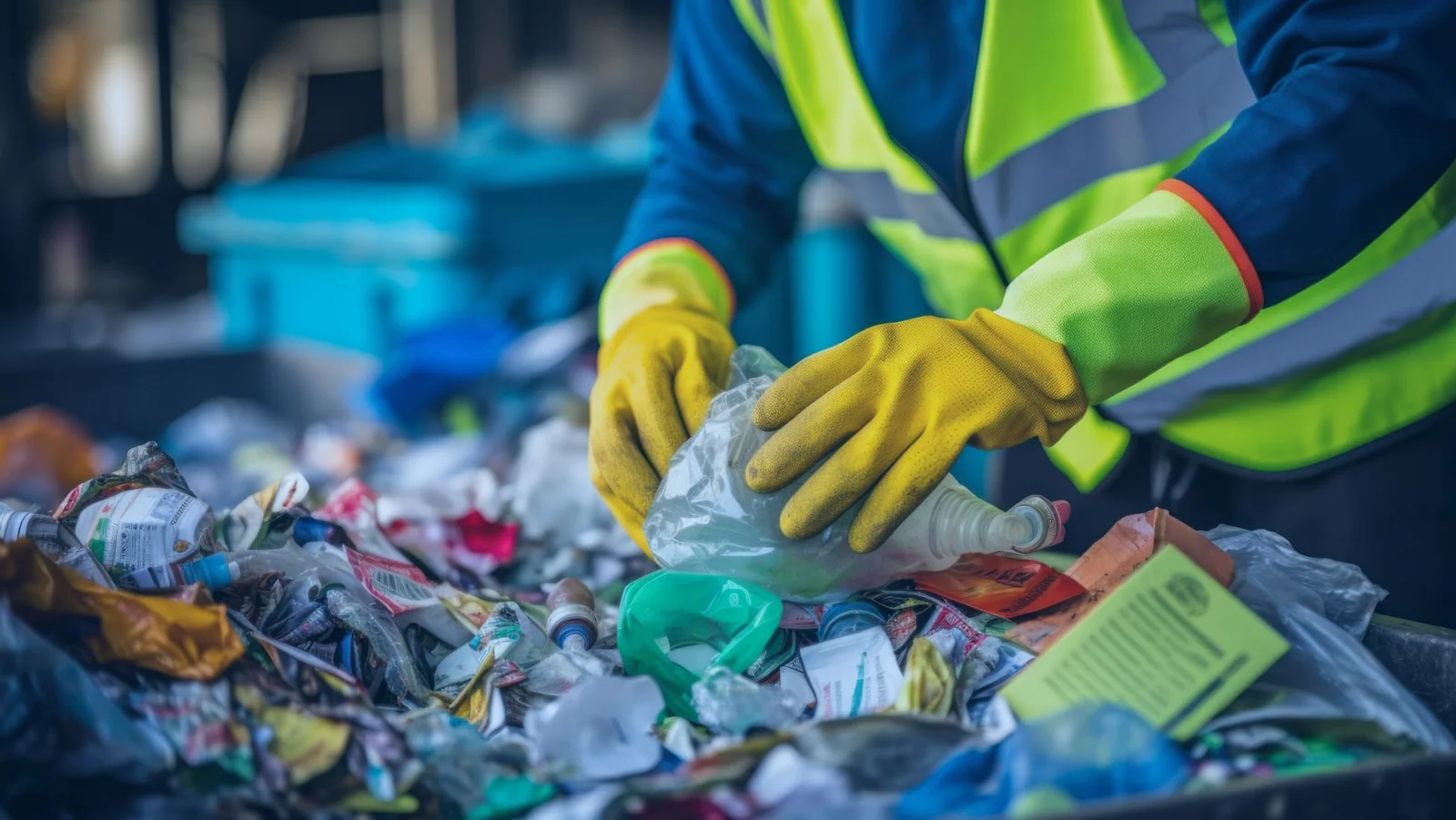
Solid waste management refers to the systematic process of collecting, transporting, treating, and disposing of solid waste materials in an environmentally sustainable manner. It involves handling various types of waste generated from households, industries, commercial establishments, and public spaces. The primary objective of solid waste management is to reduce the adverse impact of waste on human health, the environment, and the economy while promoting recycling, waste reduction, and sustainable disposal methods.
Enviro Solutions is a forward-thinking company dedicated to assisting waste into valuable resources. By offering advanced solid waste management services, Enviro Solutions aims to reduce waste, increase agricultural yields, and promote sustainable environmental practices. The company provides an end-to-end solution encompassing waste pickup, collection, segregation, and processing, ensuring convenience and eco-friendliness while allowing to focus on their core activities.
Process for solid waste management
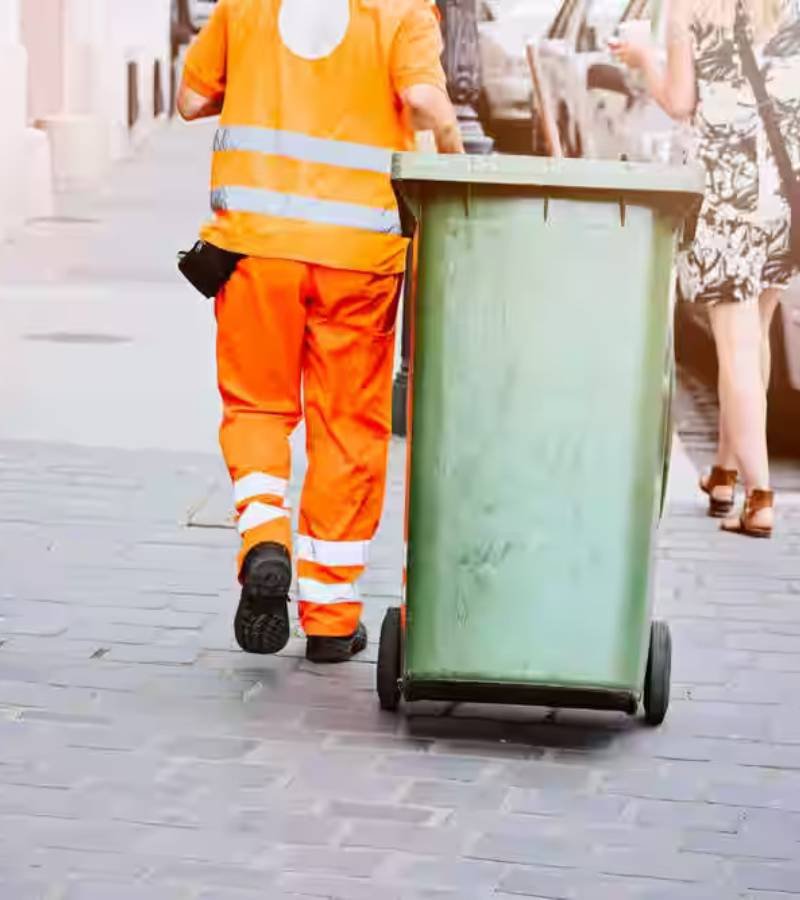
Pickup Services
Convenience at the Farm Gate
Collection Services
Streamlined and Sustainable
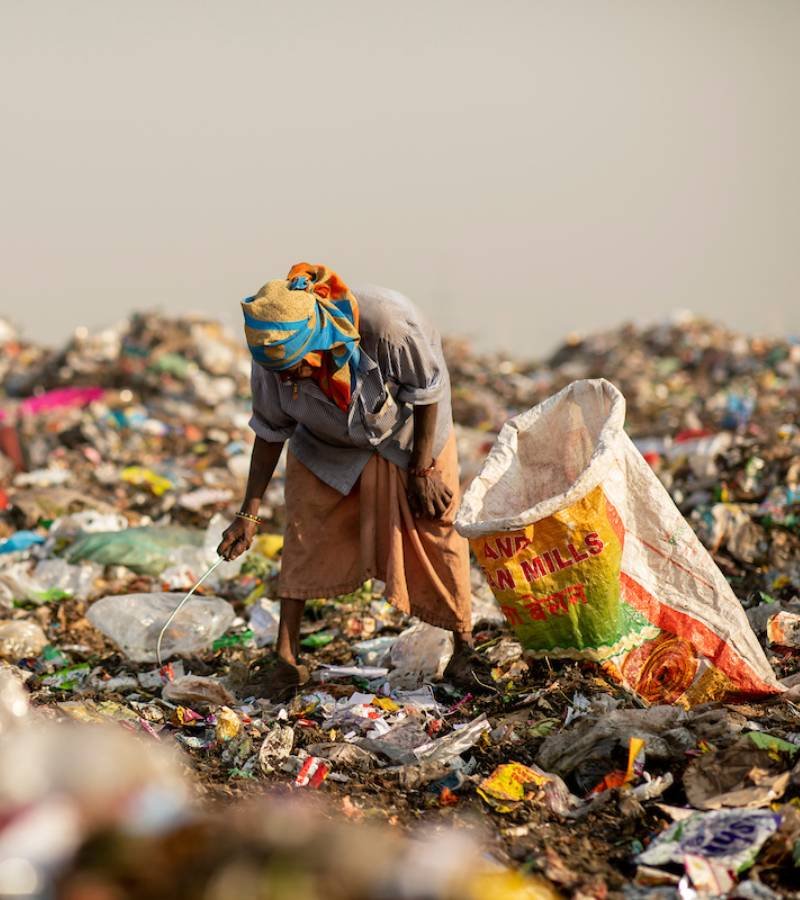
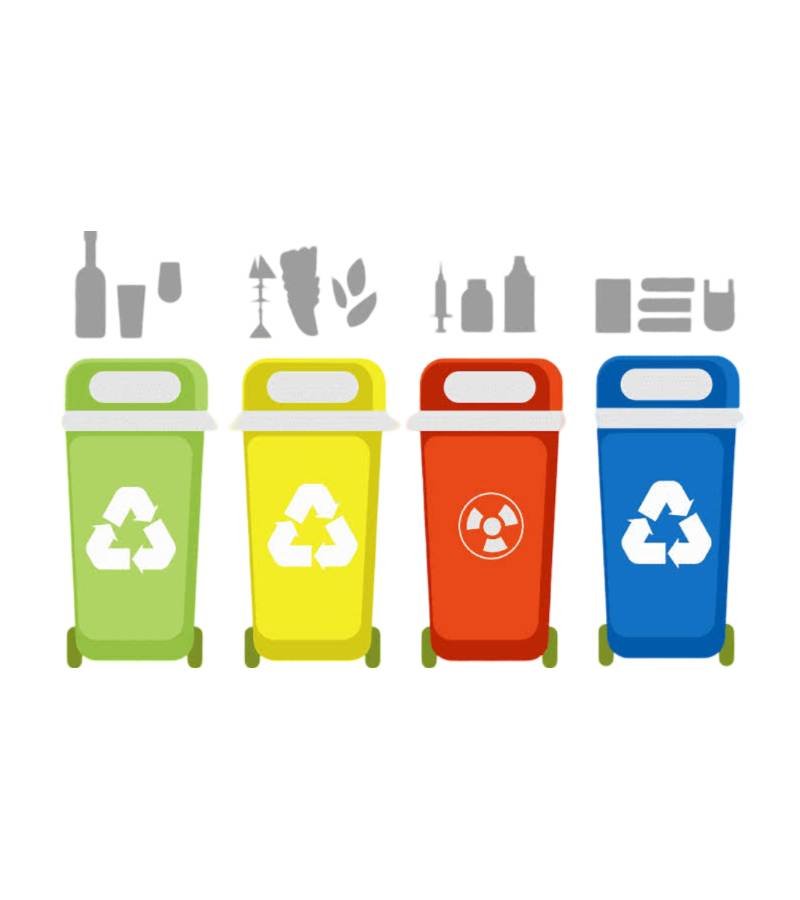
Segregation
The Key to Efficient Waste Management
Processing Services
Turning Waste into Resources
Technology Used in Solid Waste Management
At Enviro Solutions, we are committed to transforming waste into valuable resources, promoting sustainable practices, and helping communities manage waste efficiently. Our cutting-edge technologies are designed to minimize environmental impact while maximizing resource recovery. From waste-to-energy solutions to advanced plasma gasification, we provide farmers and industries with innovative methods to handle solid waste effectively.
Our Cutting-Edge Technologies in Waste Management
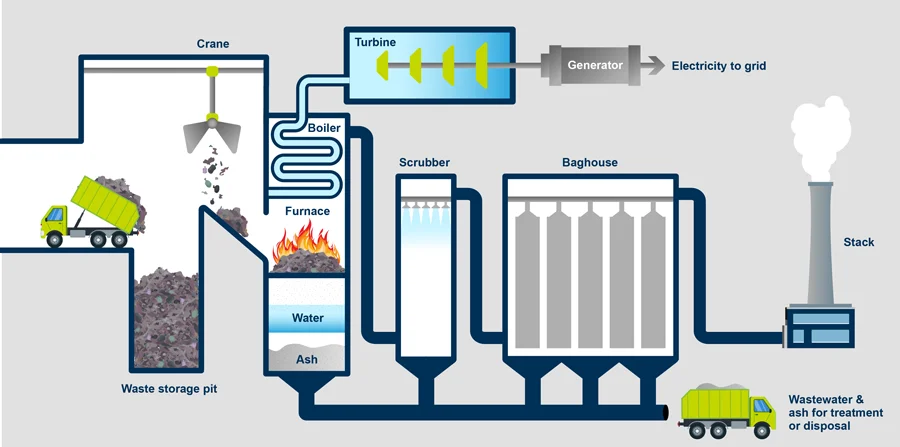
Waste-to-Energy Incineration
Waste-to-Energy incineration is a proven method of converting non-recyclable waste into usable energy. Our advanced WTE plants use high-temperature combustion to break down solid waste, generating steam that powers turbines to produce electricity. Key features include:
Efficient Waste Reduction: Reduces waste volume by up to 90%, minimizing landfill dependency.
Energy Generation: Converts heat from waste combustion into electricity, supporting sustainable energy goals.
Advanced Filtration Systems: Equipped with scrubbers and baghouse filters to minimize air pollution and ensure eco-friendly operations.
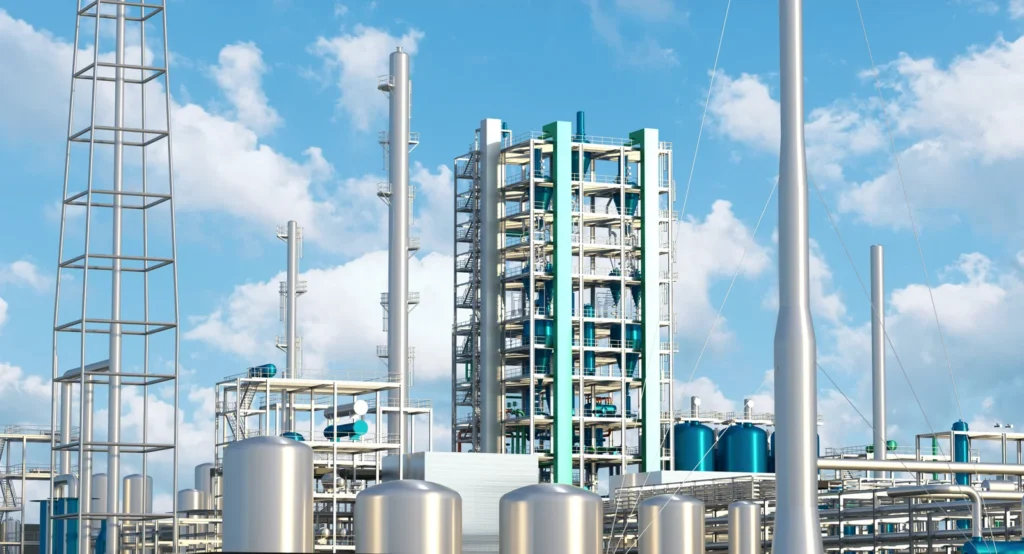
Plasma Gasification – The Future of Waste Disposal
Our thermal plasma gasification technology revolutionizes waste disposal by breaking down waste at extreme temperatures (over 4,000°C). This innovative process results in:
Syngas Production: Converts waste into synthetic gas (syngas), which can be used as a clean fuel.
Reduced Hazardous Emissions: Virtually eliminates dioxins and harmful pollutants compared to traditional incineration.
Eco-friendly Byproducts: Produces vitrified slag, a glass-like material that can be used in construction.
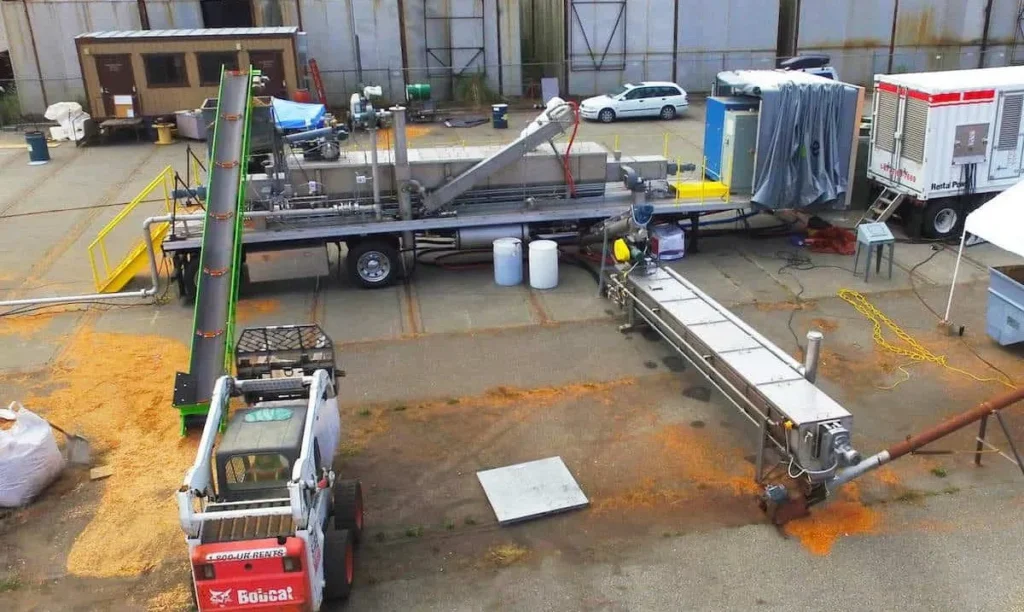
Composting & Biochar Production
For organic waste, we offer composting solutions and biochar technology that benefit farmers by enriching soil fertility. Our composting systems accelerate decomposition, turning organic matter into high-quality compost. Meanwhile, biochar, produced through pyrolysis, enhances soil quality by:
Improving Soil Aeration & Retention: Helps retain nutrients and water, boosting crop yields.
Carbon Sequestration: Locks carbon in the soil, reducing greenhouse gas emissions.
Eliminating Pathogens & Toxins: Ensures a safer and more productive farming environment.
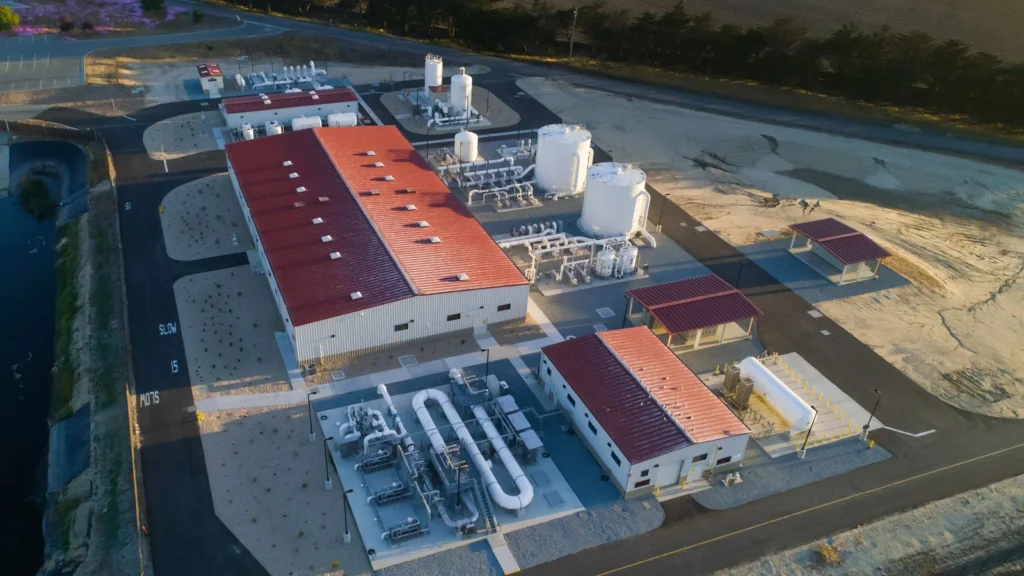
Advanced Air & Water Purification
Managing waste responsibly means controlling emissions and wastewater. Our air purification systems include high-efficiency scrubbers and baghouse filters that trap harmful particles before they reach the atmosphere. Additionally, we deploy wastewater treatment units that:
Purify Water: Remove contaminants, making water safe for agricultural reuse.
Extract Useful Byproducts: Recover valuable minerals and nutrients from wastewater.
Ensure Compliance: Meet environmental regulations, ensuring sustainable waste management.
Why Choose Us ?
Sustainability First
Our technologies are designed to reduce waste, generate energy, and promote environmental sustainability.
Cost-Effective Solutions
We help businesses and farmers turn waste into profit while reducing operational costs.
Customized Approach
Each project is tailored to suit specific waste management needs, ensuring maximum efficiency.
Empowering Farmers Through Education and Innovation
Closing the Loop: A Sustainable Vision
Pickup
The process starts with collecting waste from homes, offices, factories, and public areas. Waste is segregated into biodegradable, recyclable, and hazardous categories at the source. This ensures an organized workflow, enabling efficient waste management and preparing the waste for the next stages of the treatment process.
Collection
Waste is gathered from multiple locations and centralized for processing. Sorting begins here, separating waste into recyclable, organic, and non-recyclable types. This organized collection ensures smoother processing, supports recycling efforts, and prepares waste for safe disposal or conversion into valuable resources.
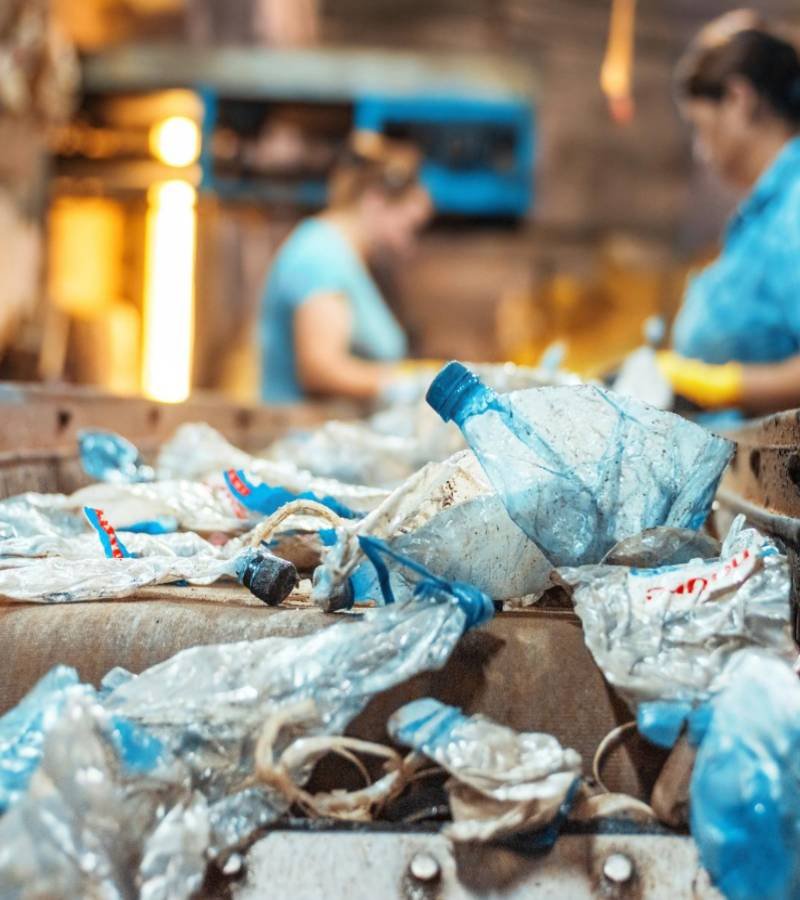
Processing
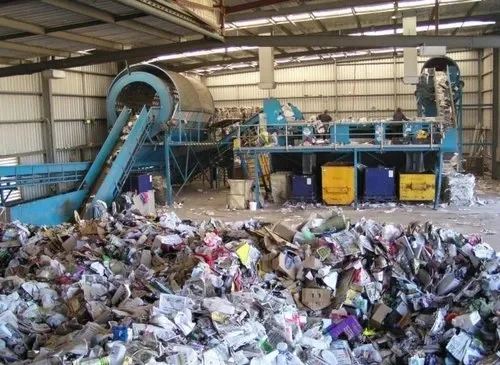
Waste undergoes treatment, recycling, and disposal in this stage. Processes include mechanical recycling for materials like plastics, composting to create nutrient-rich manure, and converting waste into energy through biogas or incineration. This ensures sustainable waste management by maximizing resource recovery and minimizing environmental harm.
Segregation
Sorting waste at the source into organic, recyclable, and hazardous categories is vital. Enviro Solutions focuses on segregation to optimize recycling and energy recovery. This step streamlines collection, processing, and disposal while promoting environmental sustainability by enhancing the efficiency of subsequent waste management processes.
Pickup
The first step in this process is to pick up waste from offices, homes, public areas, or factories, and then segregate it into biodegradable, degradable, recyclable, or hazardous materials.
Collection
This process involves picking up waste from multiple locations and bringing it into a single location. Then it starts with the sorting process which includes the waste into recyclable, non-recyclable, organic waste, and non-organic waste. This is to streamline and finally start the process.
Processing
This is the core where waste is being treated, recycled, and disposed of safely. Waste is going through advanced processes such as mechanical recycling where the breaking down of plastics, bottles, metals, and others for reuse. Then comes composting in which waste is converted into organic manure, i.e., nutrient-rich. And finally, the process ends with the final waste being converted into energy through biogas or incineration.
Segregation
It is the processes through which collection, treatment and disposal of solid waste materials that pose little threat to the health of the people and the environment. It seeks to develop environmentally friendly practices to address issue to do with disposal of waste hence; Recycling, composting and proper methods. The ever increasing rates of urbanization and industrialization make proper disposal and management of solid wastes an important factor in environmental protection and health.
Introduction
This paper defines solid waste management as the systematic handling of waste products from homes, factories, business units, and any other source. As the land that has become urbanized further today, and as new needs arise with the global consumption rate, the amount of solid waste has grown. Waste disposal and control is crucial to reducing pollution, preserving the natural resources as well as giving generations to come a blank cheque to the earth.
Types of Solid Waste
Solid waste is categorized into various types, depending on its source and characteristics:
- Municipal Solid Waste (MSW): Coming from residential and industrial consumers resulting to a variety of materials such as food waste, polymers, paper and glass products.
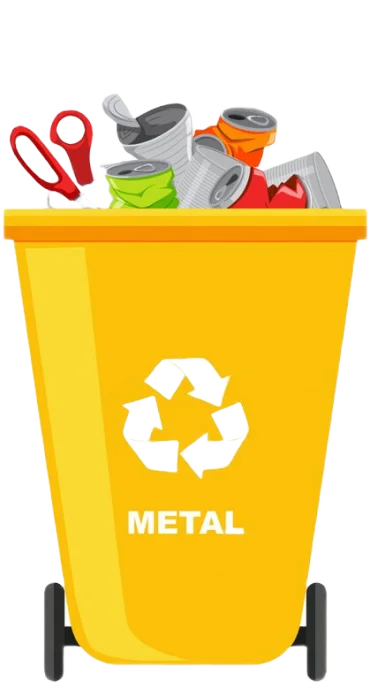
- Industrial Waste: Manufactured and industrial origin including metals, chemicals and other dangerous substances.
- Biomedical Waste: Here we classify waste emanating from hospitals, Clinics, laboratories e.g. syringes, bandages, expired medicine among others.
- Agricultural Waste: Includes biomass such as stover, BW, droppings, and lime.
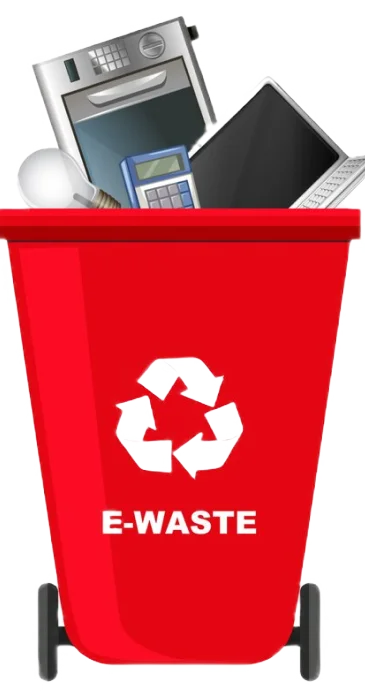
- E-Waste: Computers, mobile phones that have been replaced, Batteries which have developed faults and others that have become obsolete.
Phases of Management of Solid Waste
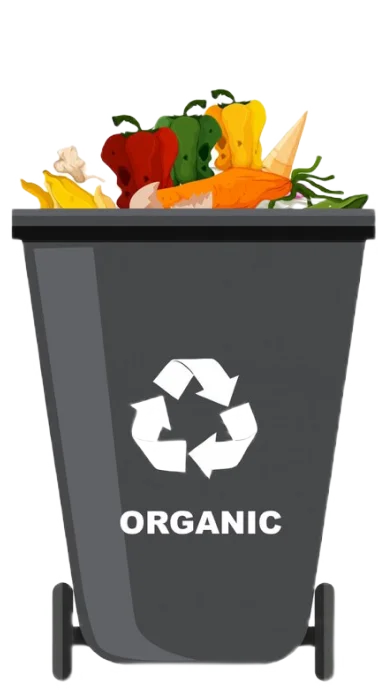
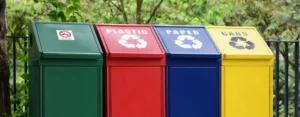
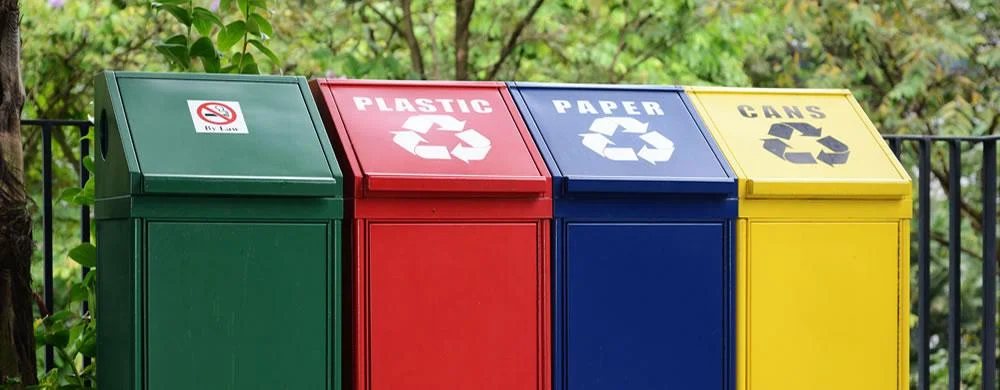
The process of solid waste management that starts with segregation leads to better results. This has made it mandatory for households and business organizations to sort biodegradable and non – biodegradable waste. Organic waste material like the food waste and garden residues can be disposed through composting and other recyclable items like paper, metal and plastic and other can be recycled.
After waste is sorted, it is picked up by the local or personal services of waste disposal and removal. Such waste is transported to treatment plants, or dumpsites through vehicles adapted for the use. The prevention of littering and abandonment of waste is very important hence the need to organize for at least a weekly collection with efficiency.
Waste treatment reduces the amount and danger of wastes that are dumped to the environment. All waste treatment processes aim at either decreasing the amount of dangerous wastes that are disposed or the level of danger of wastes that are dumped. Methods include:
Recycling: To make the next products some of the raw materials like glass, metal and paper etc are used product through recycling hence saving raw material and energy.
Composting: Garbage is recycled into natural manure, which can in turn be Reused in cultivating the farm produce.
Incineration: It involve the combustion of waste at very high temperatures with an aim of minimizing volume of waste and producing energy in the process. This method is very useful for waste that cannot be recycled and that which is hazardous.
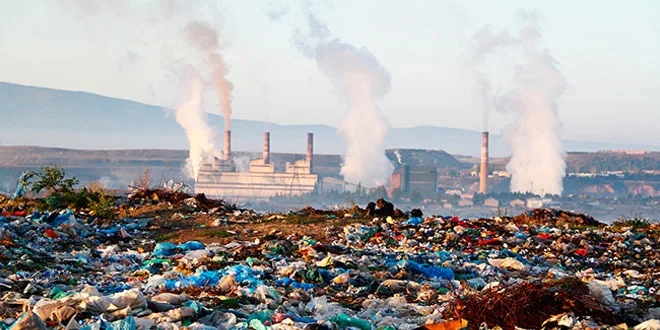
Saying that, the disposal is the last process of solid waste management. Sanitary landfills are specifically designed with a view to minimizing pollution of the environment and to keep wastes in safe check. But, the primary goals of reducing the landfill use through recycling and composting are most important among all.
Opinion on the Problems of S.W.M
Despite advancements, managing solid waste effectively poses several challenges:
Lack of Awareness
The common public lacks knowledge regarding segregation and recycling.
Insufficient Infrastructure
The collection and disposal of wastes are inadequately done in many developing countries.
Hazardous Waste Handling
The long-standing problem involves safely addressing toxic and hazardous items.
E-Waste Growth
The technological development has caused people change their electronics more frequently, resulting in a higher increase in e-waste which has metals of economic value but also toxic.
Policy Implementation
Lack of control over the implementation of waste management laws, results in unsanitary disposal of wastes.
Given solutions for Solid Waste Management in order to help the society.
To address these challenges, governments, organizations, and individuals must adopt innovative and sustainable strategies:
Promote Recycling and Reuse
Recycling and use of materials can be promoted so that to minimize the generation of wastes.
Adopt Advanced Technologies
The structures involving waste-to-energy plants, anaerobic digestion, and other effective ways can improve waste digestion.
Public Awareness Campaigns
People can be changed through passing out information to them on how to sort wastes, making compost, and encouraging them to GRAB less waste.
Strengthen Regulations
It can also therefore be found that methods such as enforcing strict penalties on non-recyclable waste disposal could enhance compliance to recycling and disposal laws.
Collaborate with Private Sector
The waste management and recycling can be made better by engaging private companies.
That why the proper management of solid wastes has following benefits :
Environmental Protection
Pioneers environmental cleanup, efficiency, and climate change impact prevention.
Health Benefits
Effective in preventing and or reducing incidences of infections/illnesses arising from poor disposal of waste.
Economic Advantages
Produce employment in recycling, composting and waste-to-energy companies.
Aesthetic Improvement
Improves conditions on streets, avenues, villages, and towns by making them appear more clean and attractive.
Conclusion:
That is why, the proper disposal or handling of solid wastes is part of the sustainable development plan. Efficiency and policies of raising awareness should be a beacon of hope for societies to deal with increased waste production. Government, industries and individuals must work together in the fight for a cleaner, greener environment. Abad janitor services are environmentally sensitive and part of creating a cleaner world for future generations to live safer and fulfilled lives.