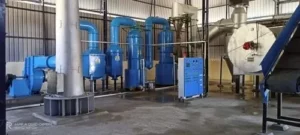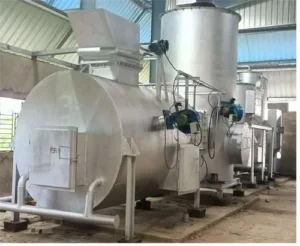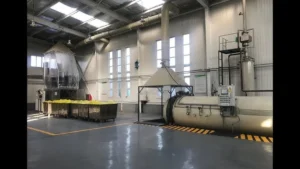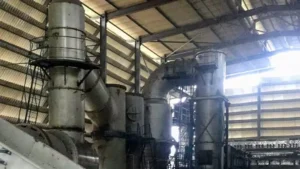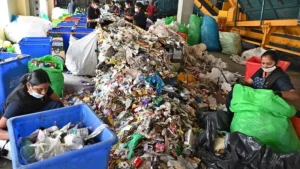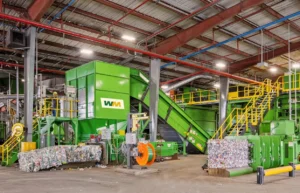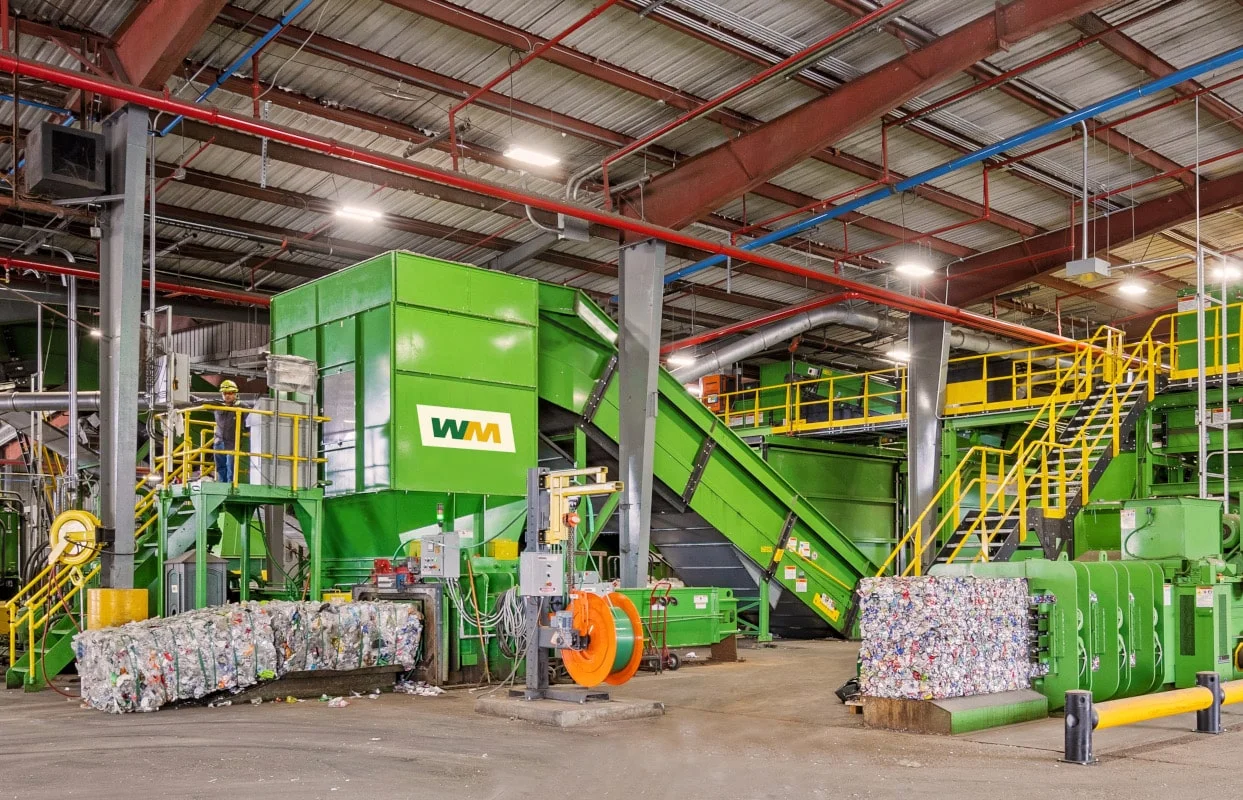




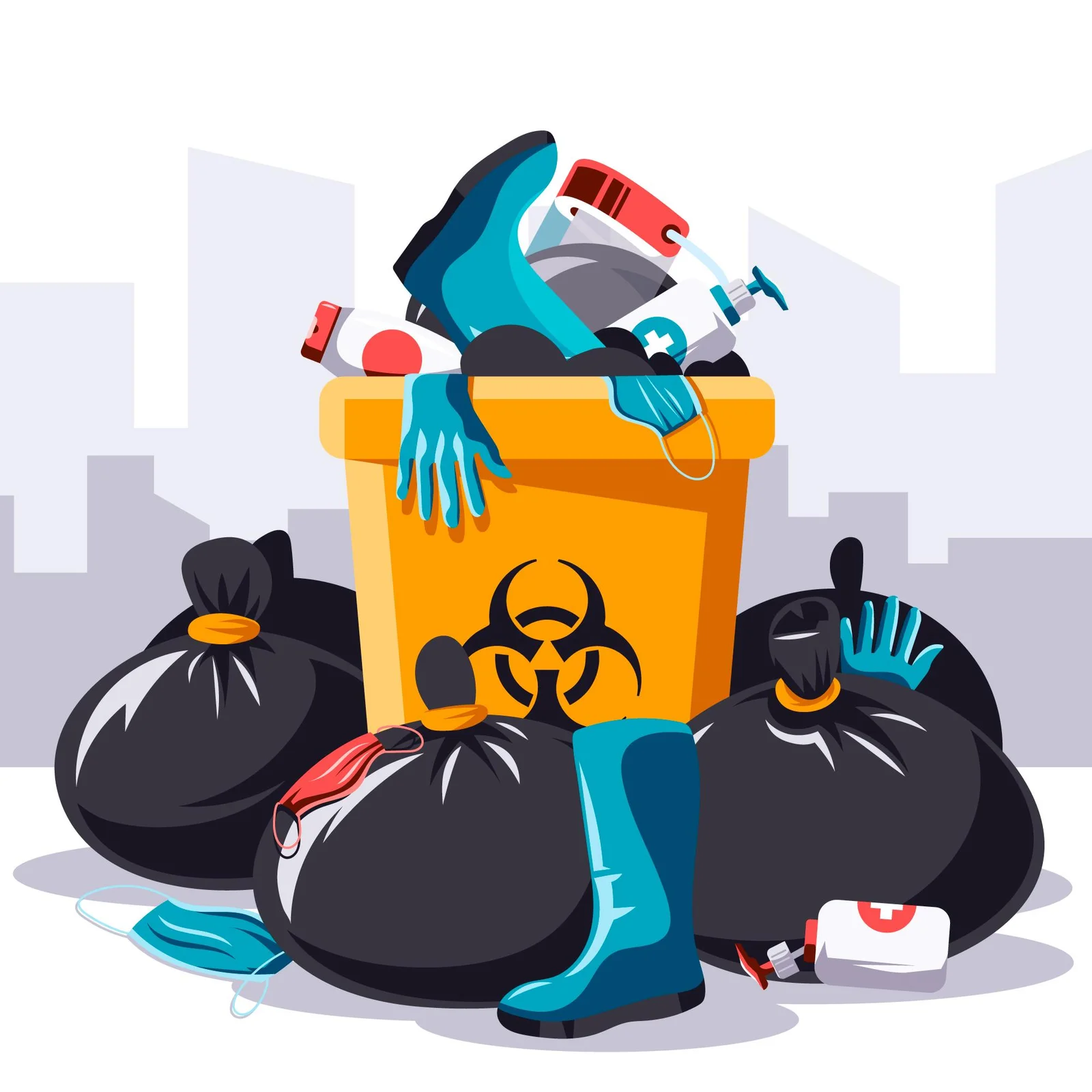
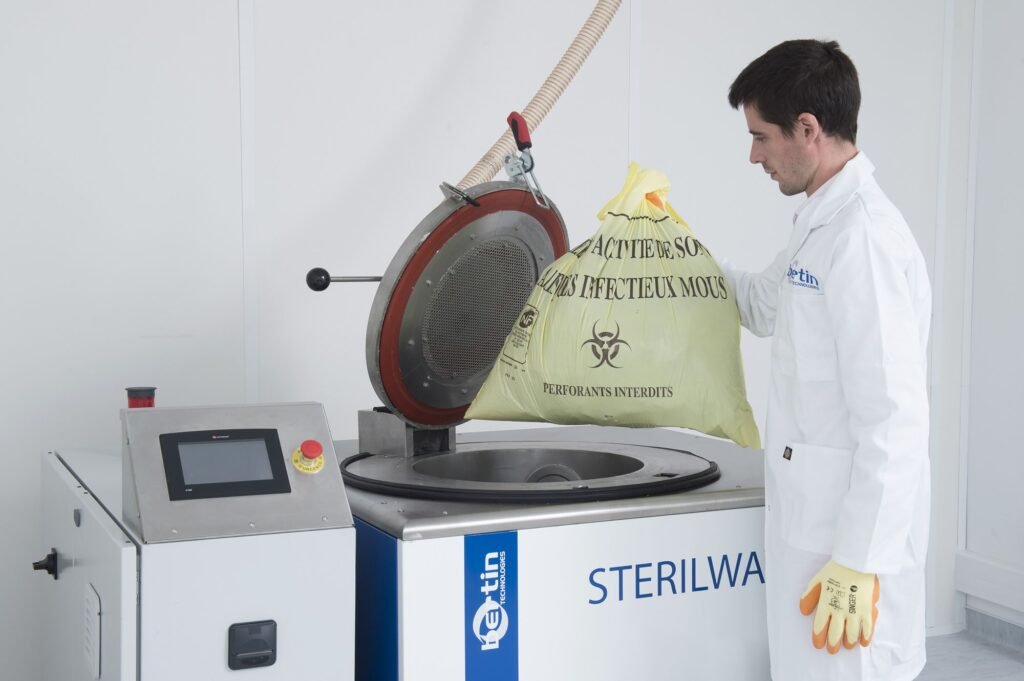
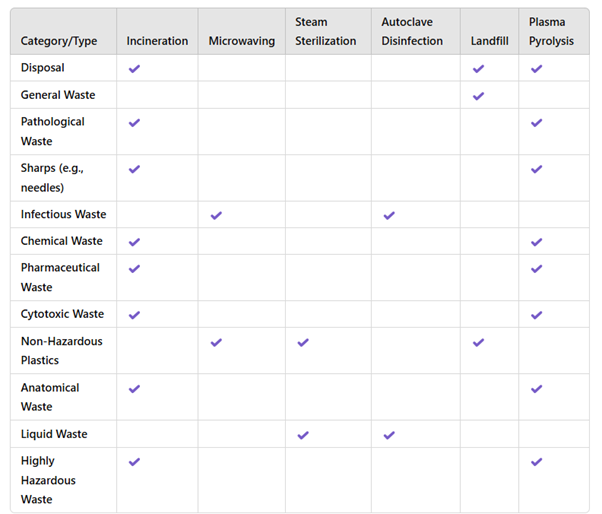
There are several technologies used to dispose of biomedical waste, including:

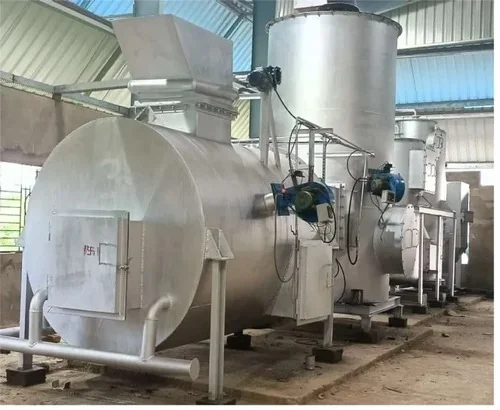
Incineration

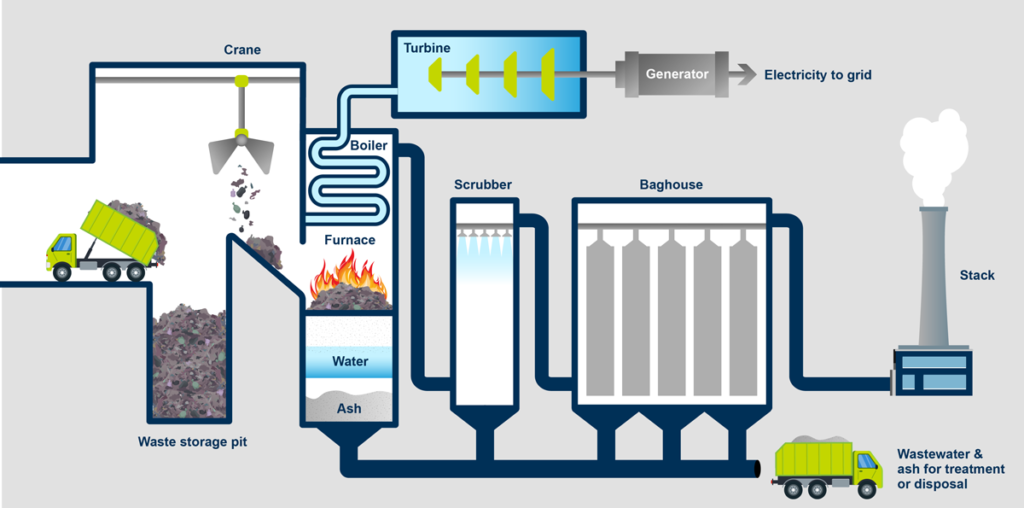
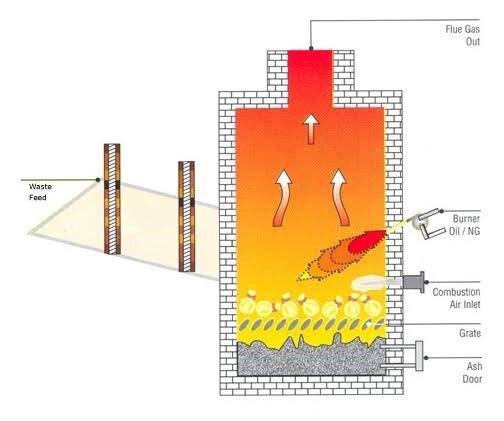
A well-established method that involves burning medical waste at high temperatures to destroy pathogens and make the waste safe

Microwaving

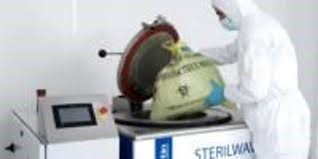
Uses the same technology as microwaves to disinfect waste. The waste is shredded, mixed with water, and heated to neutralize biological elements

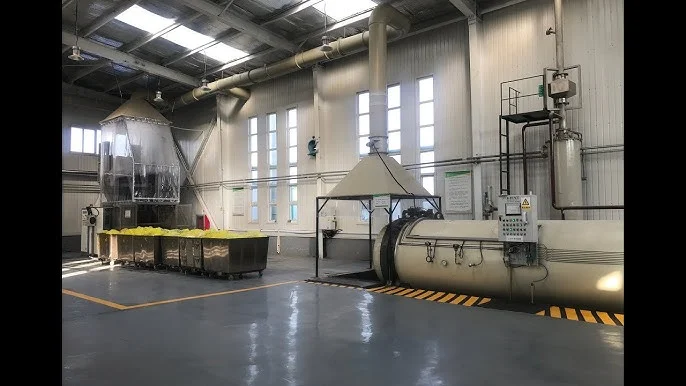
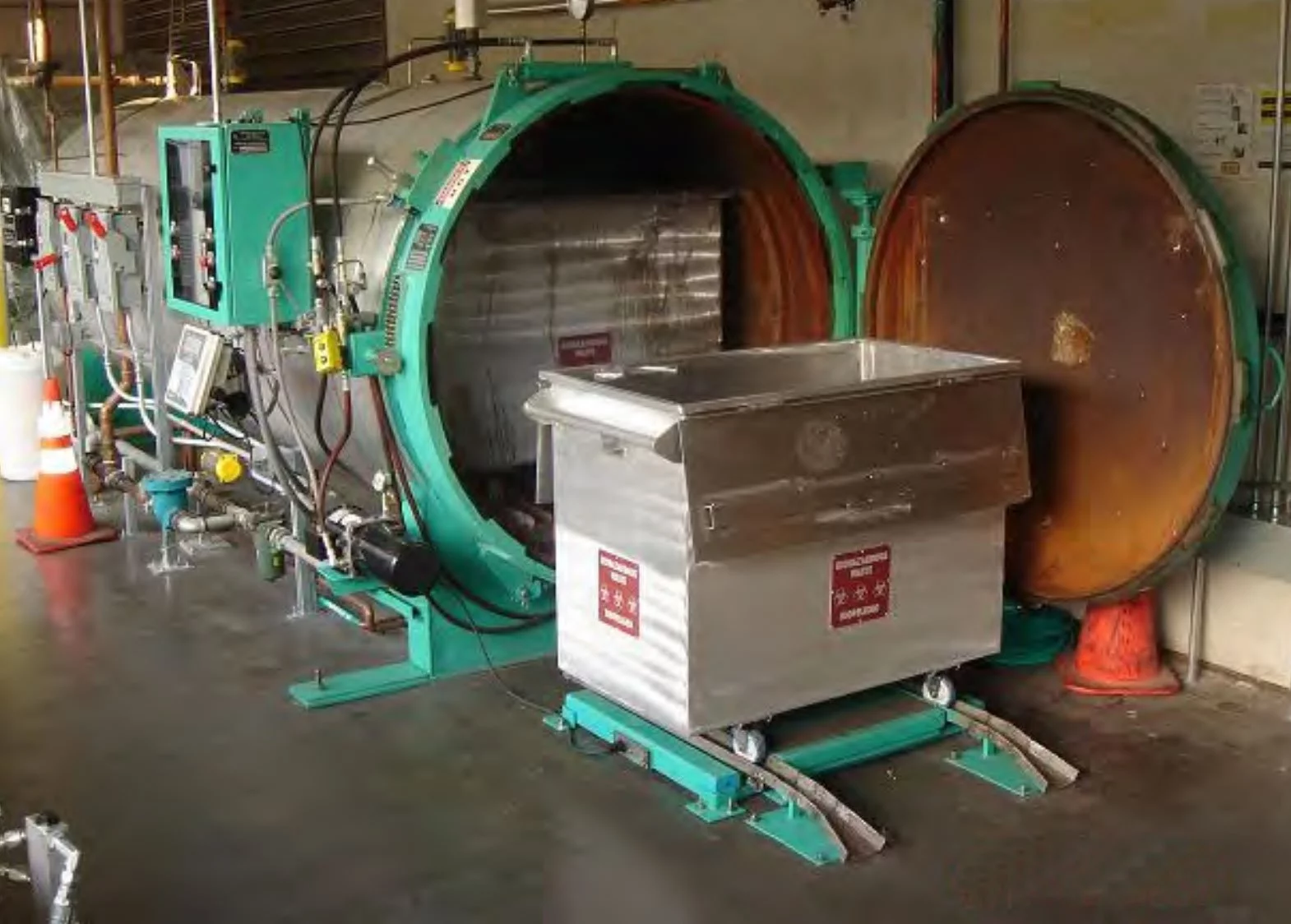
Steam sterilization

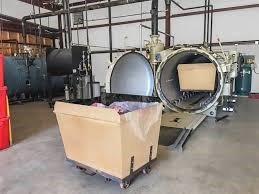
An effective way to kill pathogens and make waste harmless. Shredding the waste can make steam sterilization more efficient by exposing every part of the waste to steam

Autoclave disinfection

A cost-effective technology that disinfects waste before final disposal

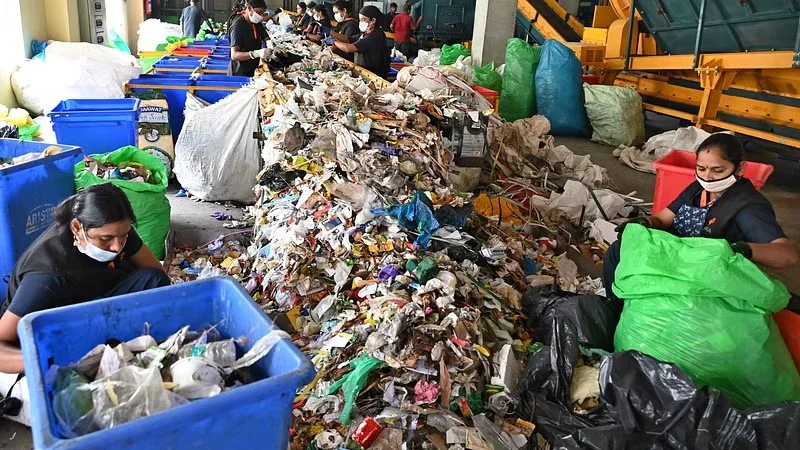
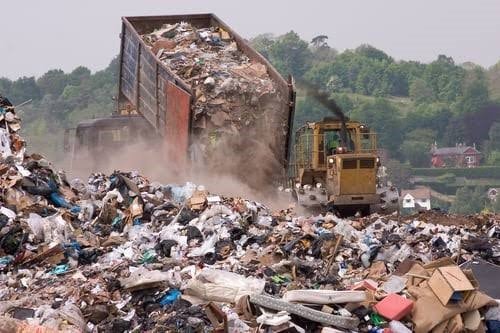
Landfill

Uses enzymes to disinfect medical waste. The water from the final product is removed for sewage disposal, and the solid waste is sent to a landfill

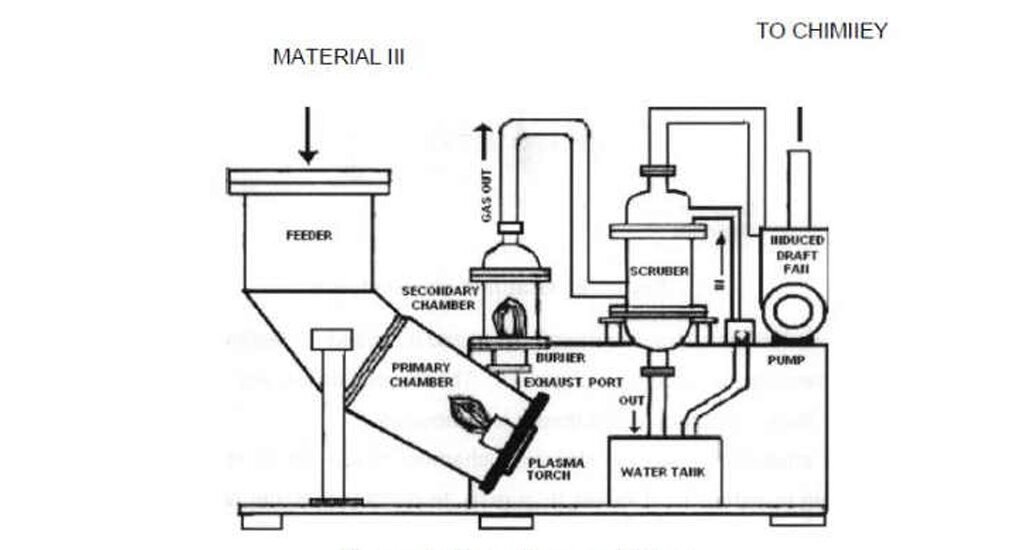
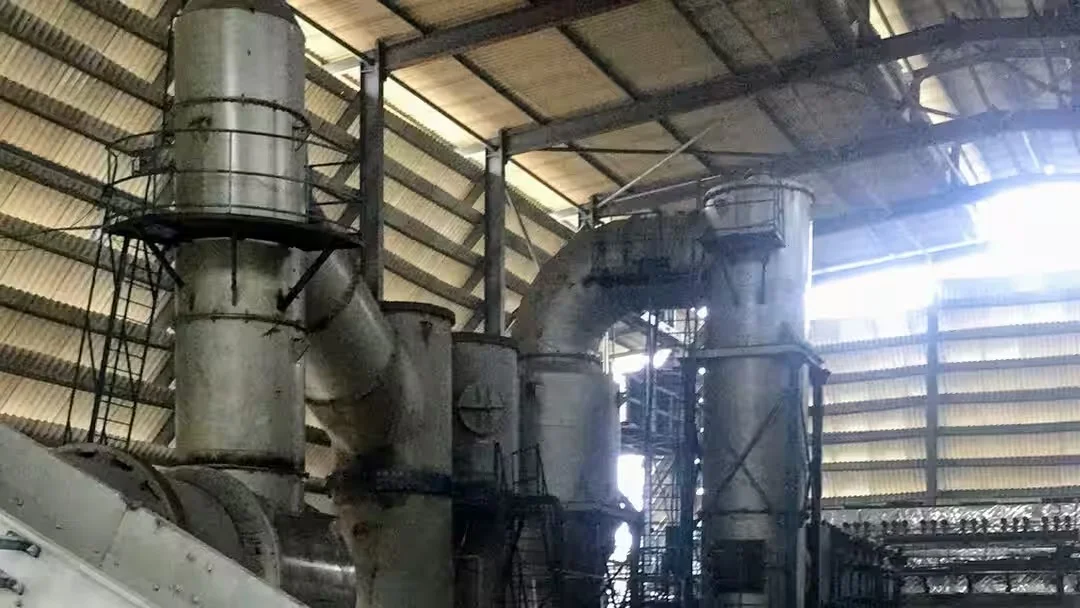
Plasma pyrolysis

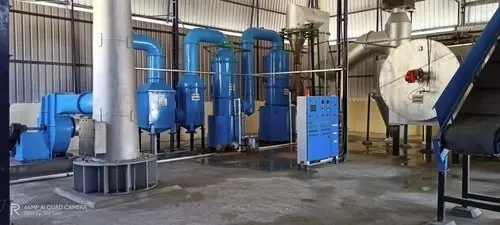
Converts waste into small clinker that can be disposed of in secure landfills

Leading Bio-medical Waste Management

Our comprehensive biomedical waste management solutions ensure safe disposal, minimize health risks, and promote environmental sustainability. Join us in protecting public health and fostering a cleaner, greener future.

About Us

At Enviro Solutions, we are dedicated to revolutionizing biomedical waste management through innovative, sustainable, and efficient technologies. Our advanced solutions empower healthcare providers, laboratories, and agricultural sectors to manage waste responsibly, ensuring compliance with health and environmental standards.

Plasma is often described as the fourth state of matter, following solid, liquid, and gas. It is a highly energized, electrically charged state that consists of ions and free electrons. Plasma is created when energy is supplied to a gas, causing the atoms within the gas to ionize, which means the gas becomes electrically conductive. In simpler terms, plasma is a hot, ionized gas that has unique properties due to the presence of charged particles

At Enviro Solutions, we understand the challenges of waste management, including energy consumption, operational costs, and regulatory compliance. Our tailored solutions integrate environmentally-conscious practices and state-of-the-art technologies, ensuring safer environments and healthier communities.

Bio-Medical Waste Management

Bio-Medical Waste Management refers to the proper handling, treatment, and disposal of waste generated from healthcare activities. This includes waste produced by hospitals, clinics, diagnostic laboratories, research centers, and other healthcare facilities. Effective management of bio-medical waste is crucial to prevent the spread of infectious diseases, protect public health, and reduce environmental pollution.

Microwaving in Biomedical Waste Management

Microwave-based sterilization is advancing biomedical waste management as a safe, energy-efficient, and eco-friendly alternative to incineration. This innovative method uses microwave energy to heat waste materials rapidly, destroying harmful microorganisms without emitting toxic gases or requiring high temperatures. Hospitals, laboratories, and farmers benefit from this method in treating waste such as plastic syringes, surgical gloves, and agricultural by-products, reducing health risks and environmental impact.

Steam Sterilization in Biomedical Waste Management

Advanced steam sterilization (autoclaving) services are at the forefront of biomedical waste management. This eco-friendly and effective method uses high-pressure steam to sterilize medical and agricultural waste, eliminating harmful pathogens like bacteria, viruses, and fungi. By ensuring that waste is safe for disposal, hospitals, laboratories, and farmers can manage items such as surgical gloves, syringes, and contaminated organic materials, promoting both health and environmental safety.
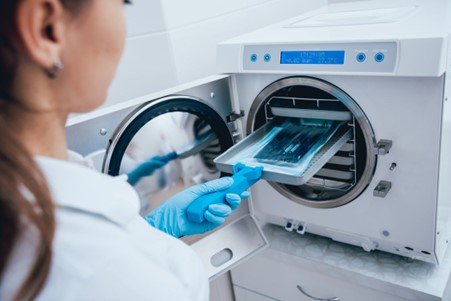
Autoclave Disinfection in Biomedical Waste Management

State-of-the-art autoclave systems are utilized to sterilize medical and agricultural waste, ensuring complete eradication of harmful pathogens like bacteria, viruses, and spores. This process transforms contaminated waste, such as syringes, gloves, and bandages, into safe, non-hazardous material ready for disposal or recycling.

Landfill Disposal

Landfill disposal services are essential for managing biomedical waste when other treatment methods, such as autoclaving or incineration, are not feasible. These services focus on safely containing non-infectious and non-hazardous waste in properly managed landfills that meet strict regulatory standards, ensuring that the waste does not pose a risk to the surrounding environment or community.

Our Expertise

At Enviro Solutions, we bring unparalleled expertise in biomedical waste management, offering a range of advanced, sustainable solutions tailored to the healthcare, laboratory, and agricultural sectors. With a focus on efficiency and environmental responsibility, we specialize in:

In biomedical waste management, plasma is harnessed through a process known as Plasma Pyrolysis, which uses extremely high temperatures to break down harmful organic materials in waste. The plasma technology can treat a wide range of biomedical waste, including syringes, medical instruments, contaminated clothing, and chemical waste. By exposing waste to plasma, harmful substances are broken down into simpler compounds like gases and metals, which are then either safely disposed of or further processed.

At Enviro Solutions, we leverage the power of plasma pyrolysis to provide an environmentally responsible and highly effective method of treating biomedical waste. The plasma pyrolysis process offers a cleaner alternative to traditional methods like incineration, as it minimizes the release of harmful pollutants and ensures that the waste is neutralized without producing dangerous by-products.

Our comprehensive approach addresses the challenges of waste management, including energy consumption, operational costs, and regulatory compliance. By integrating cutting-edge technologies and tailored solutions, we ensure safe, efficient, and environmentally-conscious waste management practices.

With a commitment to innovation and sustainability, Enviro Solutions stands as a trusted partner in creating safer environments and a cleaner future.

Plasma Pyrolysis in BioMedical

Plasma pyrolysis is an advanced thermal treatment technology for biomedical waste disposal, offering a high-temperature, eco-friendly solution. It uses plasma arcs to break down waste into non-toxic gases and vitrified slag, reducing environmental impact.

Semiconductor Pyrolysis for BioMedical Waste Management

Semiconductor, the fourth state of matter, is a highly energized gas containing ions and free electrons. In biomedical waste management, Semiconductor pyrolysis uses high temperatures to break down waste into simpler, safer compounds. Enviro Solutions utilizes this method for a cleaner.

Advantages of Semiconductor Pyrolysis

Semiconductor pyrolysis offers efficient, environmentally friendly waste treatment without toxic chemicals, reducing landfill use and supporting sustainable agriculture. It provides comprehensive waste breakdown and minimizes carbon footprint. This method ensures cleaner, more responsible waste management.

Disadvantages of Semiconductor Pyrolysis

Semiconductor pyrolysis has high initial and operational costs due to specialized equipment and energy consumption. Its limited availability and need for skilled personnel make it less accessible, especially for smaller operations. However, long-term benefits like reduced waste volume and material recovery may offset these challenges.

Plasma Pyrolysis for Biomedical Waste Management

What is Plasma?

Plasma is often described as the fourth state of matter, following solid, liquid, and gas. It is a highly energized, electrically charged state that consists of ions and free electrons. Plasma is created when energy is supplied to a gas, causing the atoms within the gas to ionize, which means the gas becomes electrically conductive. In simpler terms, plasma is a hot, ionized gas that has unique properties due to the presence of charged particles.

In biomedical waste management, plasma is harnessed through a process known as Plasma Pyrolysis, which uses extremely high temperatures to break down harmful organic materials in waste. The plasma technology can treat a wide range of biomedical waste, including syringes, medical instruments, contaminated clothing, and chemical waste. By exposing waste to plasma, harmful substances are broken down into simpler compounds like gases and metals, which are then either safely disposed of or further processed. At Enviro Solutions, we leverage the power of plasma pyrolysis to provide an environmentally responsible and highly effective method of treating biomedical waste. The plasma pyrolysis process offers a cleaner alternative to traditional methods like incineration, as it minimizes the release of harmful pollutants and ensures that the waste is neutralized without producing dangerous by-products. Advantages of Plasma Pyrolysis
  1. Highly Efficient Waste Treatment
  2. Environmentally Friendly
  3. Comprehensive Waste Treatment
  4. No Need for Toxic Chemical Additives
  5. Reduced Landfill Use
  6. Supports Sustainable Agriculture
  7. Low Carbon Footprint

Disadvantages of Plasma Pyrolysis

High Cost

Through composting and anaerobic digestion, organic waste is converted into nutrient-rich compost or biogas. Compost enriches soil health, One of the primary disadvantages of plasma pyrolysis is its high upfront and operational costs. The technology requires specialized equipment capable of reaching the extreme temperatures needed to create plasma. The cost of setting up a plasma pyrolysis facility can be prohibitively expensive, especially for smaller farmers or healthcare providers with limited budgets.reducing the dependency on chemical fertilizers, while biogas serves as an eco-friendly energy source for farms and households.

In addition to the initial investment, plasma pyrolysis systems require constant energy to maintain the high temperatures needed for effective waste treatment. The energy consumption is significantly higher than traditional waste treatment methods, further contributing to operational costs. As a result, plasma pyrolysis may not be the most economically viable option for all types of facilities, particularly those with smaller volumes of waste.

However, while the initial investment is high, the long-term benefits of plasma pyrolysis, such as reduced waste volume, minimal environmental impact, and the potential for material recovery, may help offset the costs over time. The ability to recycle valuable metals and gases can also provide an opportunity for revenue generation, making plasma pyrolysis an attractive option for businesses that prioritize sustainability.

Limited Availability of Technology

Because plasma pyrolysis is a relatively new technology, it may not be as widely available as other waste management methods. Specialized equipment and expertise are required to operate plasma pyrolysis systems, which means that only certain waste management facilities or companies, such as Enviro Solutions, offer this advanced service. For farmers in rural or remote areas, access to plasma pyrolysis may be limited, making it harder to adopt this technology for waste management.

Requires Expertise and Maintenance

Plasma pyrolysis systems require skilled personnel to operate and maintain them properly. The high temperatures and sophisticated machinery involved in the process demand regular maintenance to ensure safe and efficient operation. This can lead to additional costs for training staff and maintaining equipment, which may be a challenge for smaller operations or companies with limited resources.

Incineration in Biomedical Waste Management

Advanced incineration technologies play a critical role in effective biomedical waste management. This method ensures the complete destruction of pathogens, viruses, and hazardous substances by subjecting waste to extremely high temperatures (850°C to 1200°C). By safely disposing of materials like used syringes, blood-stained bandages, pesticides, and contaminated agricultural products, healthcare providers and farmers can minimize health risks and comply with regulations.

Microwaving in Biomedical Waste Management

Microwave-based sterilization is advancing biomedical waste management as a safe, energy-efficient, and eco-friendly alternative to incineration. This innovative method uses microwave energy to heat waste materials rapidly, destroying harmful microorganisms without emitting toxic gases or requiring high temperatures. Hospitals, laboratories, and farmers benefit from this method in treating waste such as plastic syringes, surgical gloves, and agricultural by-products, reducing health risks and environmental impact.

Steam Sterilization in Biomedical Waste Management

Advanced steam sterilization (autoclaving) services are at the forefront of biomedical waste management. This eco-friendly and effective method uses high-pressure steam to sterilize medical and agricultural waste, eliminating harmful pathogens like bacteria, viruses, and fungi. By ensuring that waste is safe for disposal, hospitals, laboratories, and farmers can manage items such as surgical gloves, syringes, and contaminated organic materials, promoting both health and environmental safety.
Autoclave Disinfection in Biomedical Waste Management

State-of-the-art autoclave systems are utilized to sterilize medical and agricultural waste, ensuring complete eradication of harmful pathogens like bacteria, viruses, and spores. This process transforms contaminated waste, such as syringes, gloves, and bandages, into safe, non-hazardous material ready for disposal or recycling.

Landfill Disposal

Landfill disposal services are essential for managing biomedical waste when other treatment methods, such as autoclaving or incineration, are not feasible. These services focus on safely containing non-infectious and non-hazardous waste in properly managed landfills that meet strict regulatory standards, ensuring that the waste does not pose a risk to the surrounding environment or community.

Technology-Driven Waste Processing: Empowering the Future with Plasma Pyrolysis

At Enviro Solutions, we believe that innovation is key to solving the pressing challenges of waste management. As part of our commitment to sustainability and environmental responsibility, we utilize cutting-edge technology to process waste in a way that is both efficient and eco-friendly. One of the core technologies we recommend for waste processing is Plasma Pyrolysis—an advanced method that turns waste into valuable byproducts while significantly reducing its environmental impact.

What is Plasma Pyrolysis?

Plasma pyrolysis is a state-of-the-art thermal treatment process that uses extremely high temperatures to break down solid waste at a molecular level. The technology harnesses the power of plasma, a highly ionized gas, which is created by applying an electric current to waste materials. At these elevated temperatures (ranging between 3,000°C to 10,000°C), waste materials are thermochemically decomposed into simpler compounds such as syngas, biochar, and liquid fuels.

This process is highly versatile, capable of handling a wide range of waste types, including municipal solid waste, plastics, rubber, medical waste, and more. Plasma pyrolysis offers a cleaner, more efficient alternative to traditional waste disposal methods like incineration, which often releases harmful emissions.

How Plasma Pyrolysis Works

Waste Input

Waste materials are fed into a reactor designed to withstand extremely high temperatures. The feedstock can be sorted and pre-processed if necessary, but the system is designed to handle a wide variety of input materials without requiring extensive pre-treatment.

Plasma Generation

Once inside the reactor, the waste is exposed to an electrical arc, which generates plasma. This ionized gas creates a plasma field that instantly begins to break down the molecular structure of the waste.

Thermal Decomposition

The intense heat generated by the plasma energy causes the waste to undergo pyrolysis—a process of thermal decomposition in the absence of oxygen. The waste is broken down into simpler gases, liquids, and solid residues. The majority of the output is syngas (a mixture of hydrogen, carbon monoxide, and methane), while the remaining material is typically biochar—a solid carbon-rich material with potential applications in agriculture or as a fuel.

Energy Recovery and Reuse

The syngas produced during the pyrolysis process can be used as a clean energy source, either for generating electricity, powering industrial processes, or as a feedstock for chemical production. This makes plasma pyrolysis a highly sustainable waste-to-energy solution that reduces reliance on fossil fuels.

Residual Waste Management

The biochar produced is a stable, non-toxic substance that can be used for various purposes, including soil enhancement, carbon sequestration, or as a byproduct in other industries.

Why Plasma Pyrolysis?

Eco-Friendly and Low Emissions

Unlike traditional incineration, which releases harmful gases such as dioxins and furans, plasma pyrolysis operates at high temperatures in a controlled environment, ensuring minimal emissions. The process virtually eliminates pollutants, making it one of the cleanest waste treatment technologies available.

Waste-to-Energy

Plasma pyrolysis not only reduces the volume of waste but also generates usable energy in the form of syngas. This makes it an effective waste-to-energy solution that contributes to the circular economy by converting waste into a valuable resource.

Reduced Landfill Dependency

Plasma pyrolysis significantly reduces the amount of waste sent to landfills. By converting waste into valuable byproducts, we help minimize landfill use, which is a major source of pollution and environmental degradation.

Versatility

Plasma pyrolysis can handle a wide variety of waste types—anything from household waste and plastics to medical and hazardous waste—making it suitable for diverse applications across industries.

Sustainable and Efficient

The ability to recover energy from waste and convert it into useful products makes plasma pyrolysis a highly efficient and sustainable solution for modern waste management. It contributes to resource recovery, energy generation, and environmental conservation, aligning with global goals for sustainability.

Why Choose Plasma Pyrolysis with Enviro Solutions?

At Enviro Solutions, We are committed to bringing advanced, sustainable waste management technologies to the forefront. By recommending plasma pyrolysis, we offer our clients a powerful and future-proof solution that not only tackles the waste problem but also provides a pathway to a greener, more sustainable future.

Our expertise in plasma pyrolysis allows us to design customized waste processing solutions that maximize efficiency, reduce environmental impact, and create value from waste. Whether you’re a municipal authority, industrial facility, or waste management provider, we’re here to help you adopt the most effective technology for your needs.


Contact Enviro Solutions today to explore how plasma pyrolysis can transform your waste management practices and help create a cleaner, more sustainable world.

Plasma Pyrolysis for Biomedical Waste Management

What is Plasma?

Plasma is often described as the fourth state of matter, following solid, liquid, and gas. It is a highly energized, electrically charged state that consists of ions and free electrons. Plasma is created when energy is supplied to a gas, causing the atoms within the gas to ionize, which means the gas becomes electrically conductive. In simpler terms, plasma is a hot, ionized gas that has unique properties due to the presence of charged particles.

In biomedical waste management, plasma is harnessed through a process known as Plasma Pyrolysis, which uses extremely high temperatures to break down harmful organic materials in waste. The plasma technology can treat a wide range of biomedical waste, including syringes, medical instruments, contaminated clothing, and chemical waste. By exposing waste to plasma, harmful substances are broken down into simpler compounds like gases and metals, which are then either safely disposed of or further processed. At Enviro Solutions, we leverage the power of plasma pyrolysis to provide an environmentally responsible and highly effective method of treating biomedical waste. The plasma pyrolysis process offers a cleaner alternative to traditional methods like incineration, as it minimizes the release of harmful pollutants and ensures that the waste is neutralized without producing dangerous by-products. Advantages of Plasma Pyrolysis
  1. Highly Efficient Waste Treatment
  2. Environmentally Friendly
  3. Comprehensive Waste Treatment
  4. No Need for Toxic Chemical Additives
  5. Reduced Landfill Use
  6. Supports Sustainable Agriculture
  7. Low Carbon Footprint

Disadvantages of Plasma Pyrolysis

High Cost

Through composting and anaerobic digestion, organic waste is converted into nutrient-rich compost or biogas. Compost enriches soil health, One of the primary disadvantages of plasma pyrolysis is its high upfront and operational costs. The technology requires specialized equipment capable of reaching the extreme temperatures needed to create plasma. The cost of setting up a plasma pyrolysis facility can be prohibitively expensive, especially for smaller farmers or healthcare providers with limited budgets.reducing the dependency on chemical fertilizers, while biogas serves as an eco-friendly energy source for farms and households.

In addition to the initial investment, plasma pyrolysis systems require constant energy to maintain the high temperatures needed for effective waste treatment. The energy consumption is significantly higher than traditional waste treatment methods, further contributing to operational costs. As a result, plasma pyrolysis may not be the most economically viable option for all types of facilities, particularly those with smaller volumes of waste.

However, while the initial investment is high, the long-term benefits of plasma pyrolysis, such as reduced waste volume, minimal environmental impact, and the potential for material recovery, may help offset the costs over time. The ability to recycle valuable metals and gases can also provide an opportunity for revenue generation, making plasma pyrolysis an attractive option for businesses that prioritize sustainability.

Limited Availability of Technology

Because plasma pyrolysis is a relatively new technology, it may not be as widely available as other waste management methods. Specialized equipment and expertise are required to operate plasma pyrolysis systems, which means that only certain waste management facilities or companies, such as Enviro Solutions, offer this advanced service. For farmers in rural or remote areas, access to plasma pyrolysis may be limited, making it harder to adopt this technology for waste management.

Requires Expertise and Maintenance

Plasma pyrolysis systems require skilled personnel to operate and maintain them properly. The high temperatures and sophisticated machinery involved in the process demand regular maintenance to ensure safe and efficient operation. This can lead to additional costs for training staff and maintaining equipment, which may be a challenge for smaller operations or companies with limited resources.

What is Biomedical Waste?

Biomedical waste is any waste that comes from healthcare settings, such as hospitals, clinics, and laboratories, and is potentially harmful to both human health and the environment. It includes items like used syringes, bandages, surgical tools, and expired medicines. Proper disposal is essential to prevent contamination and safeguard public health. At Enviro Solutions, we specialize in offering safe and sustainable biomedical waste management solutions. Trust us to protect your community while keeping the environment clean and safe.

Types of Biomedical Waste

Incineration

How it Helps in Biomedical Waste Management:

Incineration is an advanced and highly effective technique used to dispose of biomedical waste, ensuring complete destruction of pathogens, viruses, and other harmful substances. At Enviro Solutions, incineration plays a pivotal role in managing hazardous biomedical waste, particularly in healthcare settings and agricultural practices where contaminated materials are prevalent. Whether it’s used syringes, blood-stained bandages, or disposable medical equipment, incineration guarantees that the waste is thoroughly neutralized.

Incineration eliminates microorganisms from biomedical waste by subjecting it to extremely high temperatures, which ensures sterilization and renders the waste non-hazardous. The incineration process works to destroy the waste completely, converting it into ash. This method helps avoid land contamination or the spread of infectious diseases, providing peace of mind to farmers, healthcare providers, and waste management personnel.

For farmers, dealing with biomedical waste such as pesticides, animal treatment waste, or contaminated agricultural products, incineration provides a safe and environmentally friendly way to handle hazardous materials. As farmers may be exposed to contaminated waste, it is essential to destroy it entirely to avoid health risks. By offering incineration services, Enviro Solutions helps them manage this aspect of their business while complying with regulations.

Technological Breakdown:

Incinerators are typically designed to operate at temperatures ranging from 850°C to 1200°C, depending on the specific waste material. This high temperature ensures that harmful microorganisms, chemicals, and even viruses are completely eradicated. In the incineration process, waste is introduced into a combustion chamber, where it is exposed to a direct flame. The heat generated causes the waste to burn, disintegrate, and ultimately convert into ash, carbon dioxide, and water vapor.

There are two primary types of incinerators used for biomedical waste: open and closed systems. Open incinerators are less sophisticated and allow the burning of waste in an open chamber. While they are simple and cost-effective, these incinerators are often inefficient and may release harmful pollutants into the air, such as dioxins and furans, which can pose environmental risks. On the other hand, closed incinerators are enclosed systems equipped with advanced emission control mechanisms, ensuring that the air released during the process is filtered and purified.

In advanced closed incinerators, waste is exposed to an initial combustion phase followed by a secondary burn phase, where the resulting gases and emissions undergo further high-temperature processing. The air pollution control devices, such as scrubbers, filters, and electrostatic precipitators, capture pollutants before they can enter the atmosphere. This level of sophistication reduces the environmental impact significantly, making closed incineration a preferred choice for hazardous waste disposal.

Incinerators can be either batch or continuous. Batch incinerators are suitable for lower volumes of waste and require manual loading and unloading of materials. Continuous incinerators, on the other hand, allow waste to be fed into the system continuously, making them ideal for larger-scale operations where biomedical waste needs to be disposed of regularly. Regardless of the type, incineration systems are highly effective in ensuring the destruction of medical waste while minimizing the risk of disease transmission.

Limitations:

Incineration, while effective, has several limitations that must be taken into account. One of the primary concerns is its environmental impact. The incineration process releases harmful gases into the atmosphere, particularly if the incinerator is not equipped with state-of-the-art emission control systems. Airborne pollutants like dioxins, furans, and particulates can contribute to air pollution and pose long-term health risks to communities living near waste incinerators. Modern incinerators, however, use advanced filters to capture these toxins, but they still emit trace amounts of pollutants, which can be concerning for environmentally-conscious communities.

Additionally, incineration consumes significant energy, making it a less sustainable option compared to some other disposal methods. Maintaining the high temperatures required for the incineration process demands a steady supply of fuel, typically in the form of natural gas or electricity. This dependency on external resources can lead to higher operational costs, particularly for smaller medical facilities or farmers who generate limited amounts of waste. The energy-intensive nature of incineration means that it is often not a cost-effective solution for small-scale operations.

Another limitation is the potential for hazardous by-products. Although incineration is designed to reduce the volume of waste and eliminate harmful pathogens, it can sometimes create new pollutants, including ash residue containing toxic metals like lead and mercury. This ash needs to be disposed of safely, adding another layer of complexity to the waste management process. Proper disposal of incinerator ash involves carefully managing it to prevent soil contamination, which further increases the cost and environmental impact.

Finally, there are also logistical challenges associated with the incineration process. Incinerators require regular maintenance, including cleaning and the replacement of filters and components, which can increase operational costs. Additionally, medical waste needs to be carefully sorted and prepared before incineration, requiring skilled personnel to ensure that only the appropriate materials are processed.

Despite these limitations, incineration remains a preferred method for biomedical waste disposal, especially in large-scale operations or settings where alternative technologies are impractical. When combined with advanced emission control systems and efficient waste management practices, incineration can be a safe and effective solution to biomedical waste disposal.

Microwaving

How it Helps in Biomedical Waste Management:

Microwaving is a relatively new and innovative approach to biomedical waste management. It uses microwave energy to rapidly heat waste materials, killing pathogens and sterilizing medical waste efficiently and without the use of harmful chemicals or high-temperature incineration. As a safer and more environmentally friendly alternative, microwaving is gaining traction in hospitals, laboratories, and agricultural settings where sterilization of medical products is essential.

Enviro Solutions offers microwave-based sterilization services for farmers and medical institutions, ensuring that biomedical waste is treated in a way that reduces both environmental impact and health risks. The process works by using microwave energy to excite water molecules within the waste, causing them to vibrate and generate heat. This heat penetrates the waste materials and destroys any harmful microorganisms present. The result is the safe treatment of biomedical waste without generating toxic emissions, making it an ideal choice for reducing the carbon footprint of waste management operations.

For farmers, microwaving is particularly beneficial for managing waste generated by pesticides, veterinary medicines, or other agricultural by-products that may be contaminated with harmful pathogens. The microwave sterilization process can treat a wide range of materials such as plastic syringes, surgical gloves, cotton gauze, and other contaminated items. This technology ensures that waste is safely rendered non-infectious before disposal, reducing the risk of disease transmission.

Technological Breakdown:

The microwaving process involves the use of specialized microwave sterilization units that are designed to expose biomedical waste to electromagnetic radiation at frequencies typically used in microwave ovens (2.45 GHz). Waste is placed in a chamber, and microwave energy is directed toward it. As the microwaves penetrate the waste, the water molecules inside the materials absorb the energy, causing them to heat up quickly. The rise in temperature is sufficient to kill bacteria, viruses, and fungi present in the waste.

Microwaving is particularly effective for waste that is moist or contains high levels of water. This is because the energy is absorbed by the water molecules, allowing the heat to penetrate deep into the material. However, dry waste, such as plastic or rubber, may require additional moisture to facilitate the heating process effectively. Some microwave systems incorporate a pre-treatment step where the waste is sprayed with water or steam before microwaving to ensure effective sterilization.

One of the key benefits of microwaving is that it can be done at relatively lower temperatures compared to incineration, making it a more energy-efficient option. Additionally, microwave sterilization produces fewer harmful emissions and has a smaller environmental footprint compared to incineration, as it does not release toxic gases like dioxins or furans into the air. As a result, it is a more sustainable choice for managing biomedical waste.

Furthermore, the process is faster than many other sterilization methods. While the time required for microwaving varies depending on the type and volume of waste, it generally takes only a few minutes to sterilize a batch of biomedical waste. This speed helps improve efficiency, especially for medical facilities with high volumes of waste.

Limitations:

Although microwaving offers numerous advantages, it does have certain limitations. First, microwaving is not suitable for all types of biomedical waste. For example, waste that contains heavy metals, chemical contaminants, or hazardous pharmaceuticals may not be effectively sterilized using microwaving alone. Such waste requires alternative disposal methods, such as incineration or chemical treatment, to ensure it is safely neutralized.

Another limitation is that microwaving requires specialized equipment, which can be expensive for small facilities or operations that do not generate large volumes of biomedical waste. The initial investment in a microwave sterilization unit and ongoing maintenance costs may make it less feasible for smaller institutions or farmers who need a more cost-effective solution. Additionally, the equipment requires regular monitoring to ensure that the microwave energy is being applied correctly, which may require dedicated staff.

While microwave sterilization is generally faster than methods like autoclaving, it may not be as effective at sterilizing large quantities of waste in a single batch. Some systems may need to process waste in smaller volumes, which could slow down the overall waste management process for large facilities. In such cases, the efficiency of microwaving might not be sufficient to handle the high throughput required by large hospitals or agricultural operations.

Lastly, as with any technology, the quality and effectiveness of microwave sterilization depend on the proper operation of the equipment. If the equipment is not maintained correctly or if the waste is not processed properly, there is a risk of incomplete sterilization. This could result in the continued presence of harmful pathogens in the waste, posing a health risk.

Despite these limitations, microwaving remains a highly effective and sustainable method of biomedical waste management, especially for smaller-scale operations or facilities looking for an alternative to traditional incineration or autoclaving.

Steam Sterilization

How it Helps in Biomedical Waste Management:

Steam sterilization, also known as autoclaving, is a proven and widely used method for treating biomedical waste in various settings, including hospitals, clinics, laboratories, and even agricultural applications. By utilizing high-pressure steam, steam sterilization effectively kills harmful microorganisms, such as bacteria, viruses, fungi, and spores, ensuring that the waste is rendered safe for disposal. At Enviro Solutions, we offer this reliable, environmentally friendly method of biomedical waste management that is both safe and efficient.

For farmers, who often deal with veterinary waste, contaminated plant matter, and other medical by-products, steam sterilization ensures that harmful pathogens are destroyed before the waste is disposed of. Unlike some other methods, steam sterilization is not only effective but also minimizes environmental harm, making it an ideal solution for the agricultural sector where health and safety are of the utmost importance.

By using steam sterilization, biomedical waste is subjected to a combination of heat, moisture, and pressure, which works together to penetrate the waste material and destroy any infectious microorganisms. This technology is an essential part of medical waste management systems, and its efficiency makes it a cost-effective solution for managing both small and large volumes of waste.

Technological Breakdown:

Steam sterilization works by utilizing saturated steam under pressure to heat the biomedical waste to a specified temperature for a certain amount of time. The pressure forces steam into the waste, where it rapidly heats and sterilizes the material. Typical autoclave cycles for sterilization range from 121°C to 134°C, with exposure times varying based on the type and quantity of waste.

The key advantage of steam sterilization is its ability to penetrate porous materials and sterilize them thoroughly. Whether it’s plastic, fabric, or metal, the steam reaches every surface of the waste and effectively destroys any microbial life present. This makes steam sterilization particularly effective for waste materials like gauze, surgical gloves, syringes, and other medical equipment that may contain blood or other bodily fluids.

The process involves placing the biomedical waste inside an autoclave, which is a sealed, pressure-controlled chamber. Once the chamber is sealed, steam is introduced into the system, raising the temperature to the required level. The high temperature of the steam causes the water in the waste to evaporate, while the pressure forces steam into every crevice of the waste. Once the cycle is complete, the waste is safe for disposal, either through landfill or recycling, depending on the material.

Autoclave systems can vary in size, from small tabletop models to large, industrial-sized units capable of processing large volumes of waste. The larger systems are typically used in hospitals or research facilities with high waste volumes, while smaller autoclaves are more common in smaller clinics or agricultural operations. The key benefit of steam sterilization is its versatility – it can handle a wide variety of waste types, from medical instruments to organic materials.

Limitations:

While steam sterilization is an effective and widely used method for biomedical waste disposal, it does have some limitations. One of the primary challenges is the need for continuous access to water and electricity, as the process requires large amounts of both. For regions where water or electricity is limited, this can make steam sterilization less feasible. Farmers in rural areas may encounter difficulties in securing the resources needed for the autoclave to operate efficiently.

Additionally, autoclaves require regular maintenance and calibration to ensure that they continue to function effectively. The high-pressure systems used in steam sterilization must be carefully monitored for signs of wear and tear, such as leaks or pressure issues, to avoid potential safety hazards. Routine checks of the steam pressure, temperature, and sterilization cycles are essential to ensuring that the waste is properly treated.

The process also takes time – autoclave cycles can last anywhere from 30 minutes to over an hour, depending on the size of the waste and the autoclave’s settings. This relatively long cycle time may not be ideal for high-volume waste processing in large hospitals or other institutions that generate large quantities of biomedical waste each day. Therefore, for organizations with high throughput, an autoclave system may not be the most efficient choice in terms of speed.

Another limitation is that steam sterilization works best with moisture-rich materials, which means it may not be as effective with dry or non-porous materials like plastic packaging, rubber gloves, or certain pharmaceutical waste. In such cases, additional treatments like shredding or pre-soaking the waste may be necessary to make it more suitable for autoclaving.

Finally, the autoclave system requires skilled operators to manage the cycle times and ensure proper sterilization. For facilities without properly trained staff, there is a risk that the waste may not be fully sterilized, posing a potential health risk.

Despite these limitations, steam sterilization remains one of the most effective methods for biomedical waste disposal, particularly when used in combination with other waste management technologies.

Autoclave Disinfection

How it Helps in Biomedical Waste Management:

Autoclave disinfection is a cornerstone of biomedical waste management, particularly in healthcare and agricultural industries. This process involves using high-pressure steam to sterilize medical waste, including syringes, bandages, cotton swabs, gloves, and other disposable items contaminated by bodily fluids or chemicals. By utilizing the autoclave disinfection process, Enviro Solutions ensures that medical waste is rendered completely safe before disposal, minimizing the potential for contamination or health risks.

For farmers dealing with contaminated equipment, agricultural chemicals, or animal waste, autoclave disinfection ensures that harmful pathogens are eradicated before waste is sent for recycling or disposal. In agriculture, autoclaving can also be used to sterilize contaminated soil or plant material, effectively reducing the risk of disease spread between crops and farms.

The high-pressure steam generated by the autoclave disinfection process is highly effective at killing bacteria, viruses, and even fungal spores that may be present in medical waste. Once the waste has undergone disinfection, it is safe for disposal or can be recycled into non-contaminated products. This process, known for its efficiency and effectiveness, is widely regarded as one of the safest methods of sterilizing biomedical waste.

Technological Breakdown:

Autoclave disinfection works by introducing saturated steam into a closed chamber under high pressure. Once the waste is placed inside the autoclave, the chamber is sealed, and steam is introduced. The high pressure (usually around 15 psi) and temperature (between 121°C and 134°C) ensure that harmful microorganisms are destroyed, while the moisture in the steam allows it to penetrate the waste thoroughly.

Autoclave disinfection has several phases. First, the waste is heated to the required temperature, then it is maintained at this temperature for a specific duration to ensure full sterilization. Finally, the autoclave is depressurized, and the waste is removed once the sterilization process is complete. This process ensures that no bacteria, viruses, or other pathogens survive.

Autoclaves can be small and compact for use in medical offices or laboratories, or they can be large, industrial-sized units for hospitals or agricultural operations that produce significant amounts of waste. The system is highly efficient, and because it uses steam, it is also environmentally friendly compared to chemical disinfection methods.

Limitations:

Autoclave disinfection, while highly effective, does come with its own set of limitations. First, it requires a continuous supply of electricity and water to operate, which can be problematic in rural areas or regions with unreliable infrastructure. This can make autoclaving difficult for smaller facilities, farms, or hospitals in remote locations where power outages are frequent.

Autoclave systems also require regular maintenance and servicing. The pressure chambers, valves, and steam generators must be inspected regularly to avoid any malfunctions or failures during operation. Additionally, incorrect calibration of the machine can lead to ineffective disinfection, leaving harmful pathogens behind in the waste.

Autoclaving also takes time – the entire process can take from 30 minutes to several hours, depending on the type and volume of waste. This time requirement may not be suitable for high-volume waste producers who need a faster method of disposal. The process also requires trained personnel to operate the system safely, adding to operational costs.

Finally, autoclave disinfection is not effective for all types of waste. Materials such as plastics, rubber, or certain pharmaceuticals may not be completely sterilized using autoclaving alone. In such cases, additional waste processing steps may be needed.

Landfill Disposal

How it Helps in Biomedical Waste Management:

Landfill disposal is a traditional method for managing biomedical waste, especially for waste that cannot be safely treated by other means. Although it is often considered a last resort due to its potential environmental impact, landfill disposal still plays a role in managing non-infectious or non-hazardous biomedical waste. At Enviro Solutions, we provide landfill disposal services when other methods, such as incineration or autoclaving, are not feasible.

For farmers, landfill disposal is a way to manage non-hazardous agricultural waste, such as packaging materials, non-contaminated plant matter, and certain biodegradable substances. By using proper landfill techniques, biomedical waste can be safely contained, reducing the risk of environmental contamination or the spread of diseases.

While landfill disposal may not be the most advanced or environmentally friendly method, it can still be a useful option when other treatment technologies are unavailable or impractical.

Technological Breakdown:

Landfill disposal involves the placement of waste in a designated area, where it is covered with soil or other materials to contain it. The waste is compacted to reduce its volume, and the area is periodically sealed to prevent the escape of odors or leachate (the liquid formed when waste decomposes).

For biomedical waste, special precautions must be taken to ensure that the waste does not pose a risk to the surrounding environment or community. In some cases, waste is treated before disposal, such as by autoclaving or incineration, to ensure that pathogens and other harmful substances are neutralized. Once the waste is safely contained in the landfill, it will decompose over time, but at a much slower rate than organic waste.

Landfills used for biomedical waste must meet strict regulatory standards to prevent contamination of the surrounding soil, water, and air. Many countries and regions have specific rules about the type of waste that can be disposed of in landfills, as well as how waste should be segregated, treated, and contained to minimize its environmental impact.

Limitations:

Landfill disposal has significant limitations, especially when it comes to biomedical waste. First and foremost, it is not an environmentally sustainable solution. While it may contain waste in the short term, over time, waste in landfills can lead to soil and water contamination due to the leachate produced during decomposition. This leachate can contain harmful chemicals, pharmaceuticals, and biological materials, making it hazardous to nearby ecosystems.

Additionally, landfills require large amounts of space, and suitable land for waste disposal is becoming increasingly scarce, especially in urban or densely populated areas. The environmental impact of landfill waste is significant, with methane emissions and leachate potentially contributing to climate change and environmental degradation.

Landfill disposal is also a long-term solution, meaning that the waste remains contained in the landfill for many years, if not decades. In contrast to methods like incineration or microwaving, which neutralize the waste quickly, landfill disposal only isolates the waste without destroying its harmful properties, which could lead to future contamination.

Finally, for farmers and medical facilities, landfill disposal may not be a cost-effective solution in the long term. As regulations become stricter and the environmental impact of landfills becomes more widely recognized, the costs of landfill disposal are likely to increase.